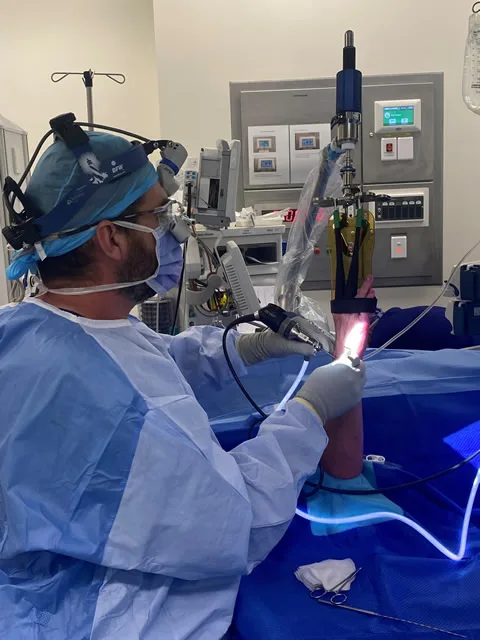
About James Watt
 Orthopaedic surgery sits at the intersection of mechanics, anatomy, problem solving, and helping people return to the parts of life that matter to them.
I work across spine surgery, hand and wrist surgery, and hip reconstruction, with a particular interest in conditions where careful diagnosis, biomechanics, and modern surgical techniques can significantly improve function and quality of life.
Much of my practice focuses on patients who have gradually lost confidence in movement — whether through back and neck pain, wrist instability, nerve compression, arthritis, or progressive stiffness around the hip. In many cases, people have adapted slowly over years without fully realising how much their movement, strength, or mobility has changed.
One of the most important parts of orthopaedic surgery is understanding what is actually driving a patient’s symptoms. Imaging findings alone rarely tell the full story. The same MRI or x-ray can mean very different things depending on function, examination findings, mechanics, activity demands, and individual goals.
For that reason, I place significant emphasis on careful assessment and individualised treatment planning. Not every problem requires surgery, and where surgery is appropriate, the aim is not simply to perform an operation, but to restore reliable movement, reduce pain, improve function, and help patients return confidently to daily life.
Spine Surgery
Spine surgery is one of the areas of my practice that has evolved most significantly. I have a particular interest in careful diagnosis, minimally invasive surgery, and matching the operation to the problem rather than forcing every patient down the same pathway.
Introducing uniportal endoscopic spine surgery to Northland has been one of the most rewarding developments in my practice. For selected patients with disc herniation, sciatica, or focused nerve compression, endoscopic techniques allow the problem to be treated through a very small access point with minimal disruption to normal tissues.
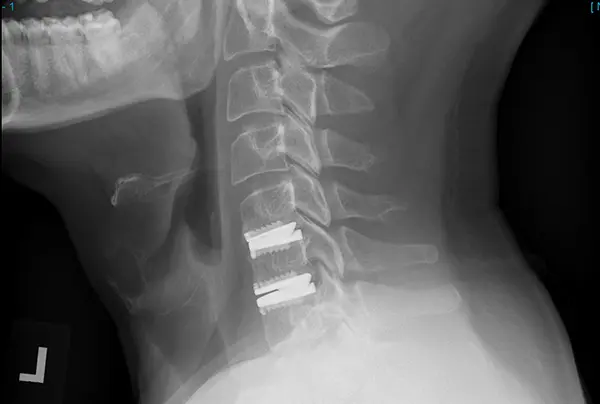
I also perform more established spinal procedures including decompression, lumbar fusion, cervical disc replacement, ACDF, and complex reconstructive surgery where required. The common thread is the same: understand the problem properly, choose the least disruptive effective option, and aim for durable long-term function.
Hand & Wrist Surgery
Hand and wrist surgery appeals to me because it requires precision, judgement, and a detailed understanding of mechanics. Small problems in the hand or wrist can have a large effect on confidence, strength, dexterity, and day-to-day function.
My hand and wrist practice includes conditions such as wrist instability, TFCC injuries, scapholunate ligament injuries, scaphoid fractures and nonunion, tendon reconstruction, nerve compression, Dupuytren’s disease, thumb arthritis, wrist arthritis, and post-traumatic deformity.
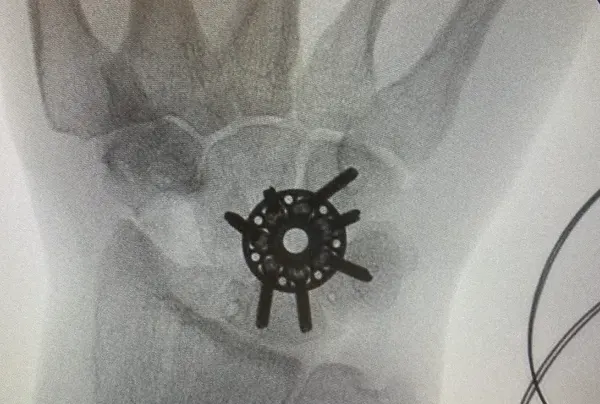
I have worked to bring more modern hand and wrist options into my practice, including wrist arthroscopy, endoscopic carpal tunnel release, small joint replacement, and thumb CMC joint replacement in selected patients. These procedures are rewarding because they combine careful diagnosis, technical precision, and a clear functional goal for the patient.
Hip Surgery
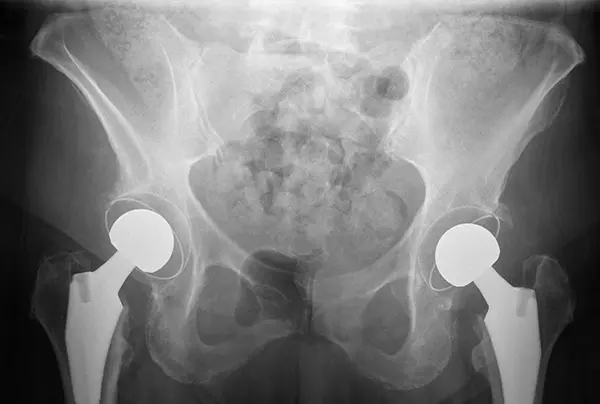
My hip practice focuses on restoring movement and confidence in patients whose lives have gradually been limited by hip arthritis, stiffness, and pain.
I perform both anterior and posterior hip replacement approaches, selecting the technique according to anatomy, stiffness, deformity, muscularity, complexity, and individual patient goals.
The anterior approach has become an increasingly important part of my hip practice. For the right patient, it provides an anatomical way to access the hip from the front, address the tight anterior capsule and flexion contracture commonly associated with arthritis, and support early mobilisation.
Hip replacement is not simply about replacing worn joint surfaces. It is about restoring movement, correcting stiffness, improving gait, and helping patients return to a more confident and active life.
Surgical Philosophy
I believe good orthopaedic surgery begins with listening carefully, understanding the patient’s goals, and making a precise diagnosis before discussing treatment.
Where surgery is appropriate, I favour anatomical reconstruction, restoration of function, modern minimally invasive techniques where suitable, and careful attention to long-term durability rather than short-term trends.
Not every patient needs surgery, and not every operation should be performed through the smallest incision possible. The goal is always to select the treatment most likely to restore reliable long-term function for the individual patient.
Outside of Surgery
Outside of work, I enjoy spending time with family, the outdoors, hunting, farming, and Northland life.
I believe maintaining perspective outside of medicine is important. Surgery is ultimately about helping people return to their own lives, families, work, hobbies, and independence with greater comfort and confidence.
Qualifications & Training
James Watt is a New Zealand orthopaedic surgeon with subspecialty interests in spine surgery, hand and wrist surgery, and hip reconstruction.
He completed orthopaedic training in Cape Town, South Africa before relocating to New Zealand in 2019, and continues to pursue advanced techniques in minimally invasive spine surgery, arthroscopy, reconstruction, and modern joint replacement.
He is a member of the New Zealand Orthopaedic Association and has affiliations with the New Zealand Orthopaedic Spine Society, the New Zealand Hip Society and the New Zealand Society for Surgery of the Hand.