Spine Surgery in Whangārei
Careful assessment. Modern techniques. Clear decisions.
 Back and neck problems can be exhausting and confusing, particularly when pain travels into the arm or leg, sleep is affected, or weakness begins to develop.
My role is to identify what is actually causing the symptoms, explain the options clearly, and recommend the least disruptive treatment likely to provide a durable result.
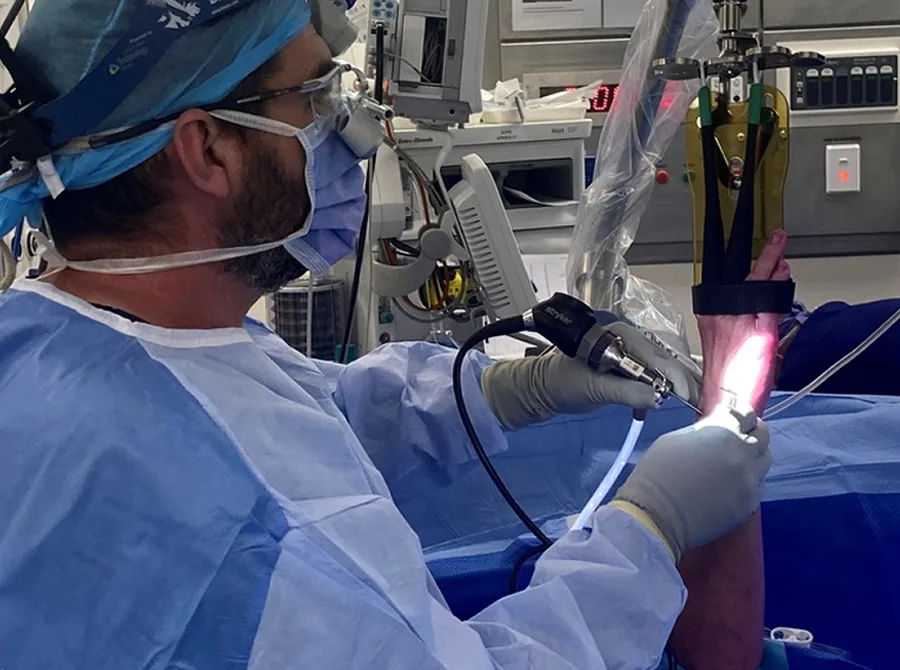
Many spinal conditions improve without surgery. When surgery is required, I aim to use minimally invasive or endoscopic techniques where appropriate, while still selecting the operation that best fits the individual condition.
Accepting referrals from GPs, physiotherapists, chiropractors, osteopaths, sports physicians, and other healthcare providers. Private patients are welcome.
Who May Benefit From Seeing James?
You may benefit from a spine assessment if you have:
- Back or neck pain that is not improving as expected
- Pain travelling into the arm or leg
- Sciatica or nerve pain affecting walking, sitting, sleep, work, or daily activity
- Numbness, pins and needles, or weakness
- Reduced walking distance or leg heaviness from suspected spinal stenosis
- Hand clumsiness, balance problems, or coordination issues that may relate to cervical spinal cord compression
- Spinal pain with imaging findings that are difficult to interpret
- Persistent symptoms despite physiotherapy, injections, medication, or other non-surgical care
- A spinal fracture or suspected osteoporotic compression fracture
- A previous spinal opinion where you remain unsure about the best next step

Careful diagnosis before treatment
 The most important first step in spine care is understanding what is actually driving the symptoms.
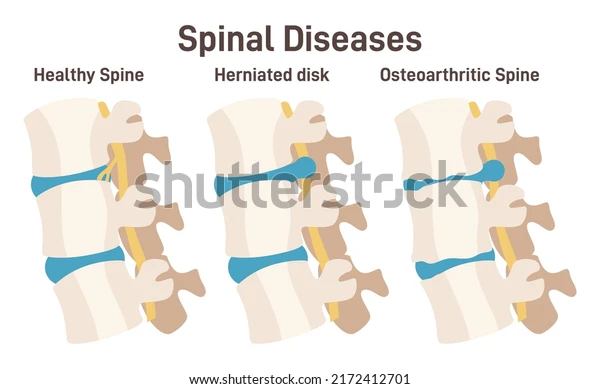
MRI is highly sensitive in detecting changes within the spine, but those changes are not always the true source of pain or neurological symptoms. Findings such as “disc bulges”, “degeneration”, and “arthritis” are common and must always be interpreted alongside the patient’s history, examination findings, neurological assessment, and overall clinical picture.
Some patients with dramatic MRI findings have relatively mild symptoms, while others with severe pain or weakness may have more subtle imaging changes. Careful assessment is essential to avoid treating the wrong problem — or ignoring the right one.
A particular interest in minimally invasive and endoscopic techniques
Where appropriate, minimally invasive and endoscopic techniques may reduce tissue disruption, post-operative discomfort, and recovery time compared with traditional open approaches.
Endoscopic spine surgery is one of the least invasive surgical techniques currently available for selected causes of sciatica and nerve compression, particularly disc herniations.
Not every spinal condition is suitable for endoscopic surgery. The key is matching the technique to the problem, rather than forcing every patient down the same pathway.
Comprehensive spinal care
I assess and treat a broad range of spinal conditions, from common problems such as sciatica, disc herniation, spinal stenosis, neck pain and back pain, through to more complex conditions involving instability, deformity, fractures, and selected reconstructive cases.
The focus is always on understanding the problem properly, discussing realistic options, and choosing a treatment plan that fits the individual patient.
Modern spine care without rushing to surgery
Many spinal conditions improve with time, rehabilitation, physiotherapy, activity modification, injections, or other non-surgical treatment.
Surgery is considered when it offers a clear advantage — for example, when symptoms remain severe despite appropriate conservative care, neurological symptoms progress, function is significantly limited, or structural compression or instability is unlikely to improve without intervention. Modern spinal techniques may include minimally invasive decompression, endoscopic surgery, and in selected cases motion-preserving procedures such as cervical disc replacement.
The goal is not simply pain relief, but restoring confident movement, long-term function, and quality of life.
Timely assessment when symptoms are concerning
Not all back or neck pain is urgent. However, timely assessment is important when pain is severe, function is rapidly declining, or symptoms include weakness, numbness, balance disturbance, hand clumsiness, or difficulty walking.
Early assessment does not necessarily mean early surgery. It means understanding the problem clearly and making the right decision at the right time.
Arranging a Spine Consultation
If back pain, neck pain, sciatica, arm pain, numbness, weakness, or reduced mobility is affecting your life, a careful assessment can help clarify the cause and identify the most appropriate treatment pathway.
The aim is to understand the problem properly, explain the options clearly, and choose the treatment most likely to restore function, confidence, and quality of life.

Process